
Choosing your first home is exciting, but it can also feel overwhelming when you realise how different buying off the plan or a house and land package is for first home buyers in Australia compared to purchasing an existing property. These options offer flexibility, modern design and the potential to access certain new build incentives, but they also come with longer timelines, construction risks and lender requirements that many first home buyers do not come across when buying established homes.
As brokers, we see these contracts every week. We understand how lenders interpret them, how valuations are handled at completion and what can influence borrowing capacity over a long build period. In this guide, Unconditional Finance will walk you through the key considerations so you can understand how off-the-plan and house and land purchases work, what risks may arise and how lenders typically assess these types of properties under current Australian market conditions.
Before we begin, you can explore our first home buyer home loan guide if you want a broader overview of the lending process.
Understanding What You Are Actually Buying
Buying a new build is very different from inspecting a finished home, and lenders may assess a new build home loan in a different way than an existing property. You are purchasing based on plans, specifications and timelines that may change as the project progresses. Understanding the structure of each option helps you anticipate what lenders look for and what you should prepare for early.

What Buying Off-the-Plan Means
Off-the-plan purchases involve signing a contract before the property is finished. Completion may take anywhere from 12 months to several years, depending on the project. You usually pay a deposit now and settle once the building is complete and registered.
This approach may appeal to buyers who want more time to save and plan, but it also means an off-the-plan home loan relies on the lender’s valuation at completion. The valuation may be higher or lower than the contract price depending on market conditions, supply, demand and comparable sales at that time.
Current construction trends, such as the uplift in building activity shown in home building approvals and the Federal Government’s increased housing construction target, may influence supply, timelines and pricing in some areas.
What House & Land Packages Usually Involve
A house and land package includes two separate contracts. One is for the land purchase, and the other is for the construction of your home. Lenders assess each part differently. You settle the land upfront, and your loan is drawn in stages as the builder completes each construction milestone. These progress payments form the basis of a house and land package loan under most construction loans.
Buyers usually have more choice in layout, finishes and upgrades, which can affect the total build cost. Construction cost trends are important to understand, too. Industry commentary, such as residential construction costs expected to slow, can give context to what may affect build pricing and timelines.
How These Options Differ From Buying an Existing Home
Established homes allow full visibility. You can assess condition, location, and price with confidence before you commit. New builds require you to rely on plans, timelines and builder promises, which may change. If you want a more detailed comparison, our guide on new build vs existing home explains these differences in depth.
Key Risks You Should Understand Before Committing to a New Build
New builds come with their own set of risks that lenders, valuers and legal advisers look for. Understanding these early can reduce the chance of surprises later.
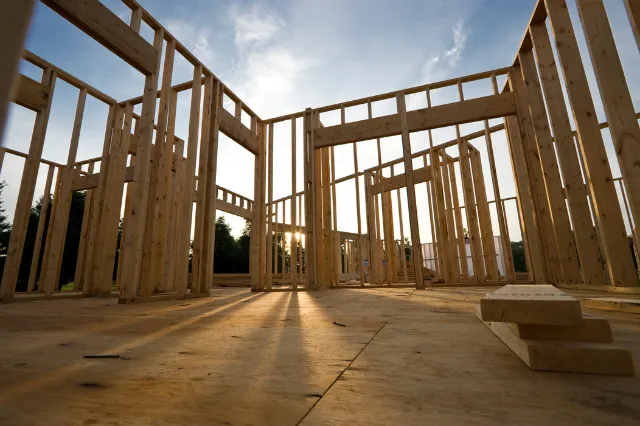
Construction and Settlement Delays
Construction and settlement delays may occur due to weather, material shortages, workforce constraints or planning approvals, and these are among the key off-the-plan risks that lenders consider.
The past few years have shown how quickly construction timelines can blow out, which is why lenders treat long settlement contracts differently. Government decisions such as the HomeBuilder two-year extension illustrate how delays can affect thousands of buyers.
Quality Differences and Specification Changes
Even reputable builders may make changes to inclusions or specifications during construction if supply issues arise. Some contracts allow substitutions of similar quality. Independent inspections may be possible depending on the builder’s rules and should be reviewed legally.
Final Valuation Risk
Lenders value the property at completion. If the finished product values are lower than the contracted price, you may need to contribute more funds to complete the settlement. This is one of the most common challenges we help first home buyers prepare for.
Market Movements During the Build Period
Because settlement can take one to three years, property values, interest rates and lending standards may change. Lenders assess your financial position at the time of final approval, not the day you signed the contract. Stability of income and liabilities over time becomes important.
Sunset Clause and Contract Triggers
Off-the-plan contracts often include sunset clauses that allow either party to withdraw if the project is not completed by a certain date. How these clauses work varies by contract. Legal review is essential.
Builder Insolvency Risk
While not common, some builders may become unable to complete the project. If this happens, buyers may experience delays, additional legal steps or the need to renegotiate build terms. Lenders monitor the builder’s licence and track record as part of their risk assessment.
Government Programs That May Apply to New Builds
Federal Schemes
Programs such as the Australian Government 5% Deposit Scheme may apply to new builds if you meet the required criteria. These programs have income limits, property caps and borrower eligibility rules. Each lender participating in these programs applies its own credit policy.
State-Based Grants and Stamp Duty Concessions
Most states offer first-home buyer grants or stamp duty concessions for new builds. Eligibility varies by price cap, property type and residency conditions. You can review official details through your state revenue office or on First Home Buyers for scheme-related information.
These incentives can help reduce upfront costs, but buyers should not rely on them as guaranteed because policies may change without notice.
How Lenders Assess Construction and Off-the-Plan Purchases
Lenders take a more cautious, staged approach to new builds because the property does not yet exist or is not yet complete. Understanding how each step works helps you plan with more certainty.
Borrowing Power at Pre-Approval
Pre-approval is based on income, liabilities, credit history and living expenses. For new builds, lenders may require updated verification closer to settlement. Some lenders may also require additional buffers for long-dated contracts.
How Valuations Work
- Off-the-plan: A valuation is completed once the building is finished.
- House and land: The land is valued now, and the dwelling is valued at completion.
Valuation outcomes depend on comparable recent sales, not on the contract price.
Progress Payments for Construction Loans
With a house and land package, your loan is drawn in stages through construction loan progress payments. Interest is charged only on the amount drawn. The common stages include slab, frame, lock-up, fixing and completion.
What Happens if Your Situation Changes
If your income, employment or liabilities change between contract signing and settlement, final approval may be affected. This is why many borrowers stay in contact with us throughout the build period. Lenders reassess based on your most recent financial information.
Monitoring Your Build Over Time
As interest rates, lending rules and cost-of-living assessments may shift, ongoing check-ins help you stay prepared for settlement. We help track what may affect credit policy so you are never caught off guard.
Comparing New Builds to Existing Homes in a Practical, Realistic Way
Choosing between a new build and an existing home depends on your priorities. Each option has advantages and trade-offs.
Upfront Costs and Cash Flow Differences
New builds may involve staged payments, whereas existing homes require full settlement immediately. This affects how much you need to save now versus later.
Certainty and Visibility
Existing homes offer immediate clarity. New builds require trust in the builder, contract terms and timelines.
Design Flexibility
New builds offer greater customisation and modern energy standards. Existing homes may need renovations to meet your preferences.
Timing and Occupancy
If you need to move in quickly, an existing home usually suits you better. If you prefer time to plan and prepare, a new build might feel more manageable.
Maintenance Expectations
New homes may have lower early maintenance needs. Existing homes may require repairs or updates sooner.
Key Questions to Ask Before Signing a New Build Contract
As Sydney mortgage brokers, we encourage first home buyers to ask clear, practical questions before signing. These help you understand expectations and risks early.
- What inclusions are standard, and what are upgrades
- How variations or substitutions are handled
- Whether independent inspections are allowed
- The expected timeline and factors that may cause delays
- How the builder manages communication during the build
- What warranties apply to workmanship and materials
- How valuation differences at settlement are handled
- Whether the development has strata or ongoing estate fees
Each of these points influences both your long-term costs and how lenders interpret the contract.
When a New Build May Be Suitable and When It May Not Be
A New Build May Suit You If
- You prefer a modern, energy-efficient home
- You are comfortable with longer timeframes
- Your income is stable over the build period
- You prefer lower early maintenance costs
A New Build May Not Suit You If
- You want to move in quickly
- You prefer inspecting the finished home before buying
- You expect major life changes during the build period
- You want certainty over the final valuation and condition
How Our Brokers Support You Throughout the Process
New build lending is one of the more complex areas of the home loan market. As mortgage brokers in Sydney, we help you:
- Compare lender policies for off-the-plan and construction loans
- Understand how different contract terms may affect borrowing capacity
- Track lender requirements and update documentation as the build progresses
- Prepare for progress payments and final valuation
- Identify potential risks early so you can plan confidently
We do not provide legal advice, but we explain how lenders interpret your contract from a credit perspective and what that may mean for your application.
Planning Your Next Steps With Confidence
Buying off-the-plan or choosing a house and land package can be rewarding for first home buyers, especially if you want a home built to modern standards and are prepared for how a new build home loan is assessed. It simply requires more preparation and awareness of the lending process from start to finish.
If you’d like to see what options may be available for your situation, our Sydney mortgage brokers at Unconditional Finance can help you compare policies and guide you through the next steps.
The information provided on this site is on the understanding that it is for illustrative and discussion purposes only. Whilst all care and attention are taken in its preparation, any party seeking to rely on its content or otherwise should make their own enquiries and research to ensure its relevance to your specific personal and business requirements and circumstances. Terms, conditions, fees and charges may apply. Normal lending criteria apply. Rates are subject to change. Approved applicants only.
Frequently Asked Questions (FAQs)
It is not necessarily harder, but lenders usually take a more cautious approach with off-the-plan properties. They cannot see the finished home yet, so they rely on plans, contracts and an end valuation at completion.
Some lenders may apply stricter conditions, such as updated income checks closer to settlement or conservative valuation assumptions. As a first home buyer, it is important to understand that your final loan approval is not guaranteed until the lender has reassessed your situation and the completed property.
For a house and land package, many lenders assess the combined land and construction cost when calculating the required deposit. In broad terms, some lenders may consider loans up to 90–95% of the total value if the application meets their policy and, in many cases, if lenders mortgage insurance (LMI) is acceptable.
Where a government guarantee scheme or additional security is involved, the deposit requirement may be lower, subject to eligibility. The exact deposit needed can vary by lender, by scheme and by your overall financial position.
Yes, most home loan pre-approvals only remain valid for a limited period, commonly around 60–90 days, depending on the lender. If your off-the-plan property will not be finished for 12–24 months, your original pre-approval will almost certainly need to be refreshed or reassessed.
Lenders may ask for updated income documents, liability information and living expenses at that time. Changes to your circumstances, interest rates or lending policy can all affect the final assessment, which is why ongoing check-ins during the build period can be important.
If the final valuation comes in lower than your contract price, the lender will usually base your maximum loan amount on the lower of the purchase price or valuation. This may mean you need to contribute more of your own funds, adjust the loan structure, or, in some cases, explore alternative lenders if that is appropriate.
This situation is not uncommon in changing markets, particularly for longer off-the-plan contracts. Planning for this risk upfront and understanding how different lenders approach valuations can help you prepare more calmly.
Yes, many first-home buyer grants and concessions are designed specifically for new builds or newly constructed properties. Some states limit their main grants to new homes, while stamp duty concessions may apply to both new and existing properties, depending on local rules and price caps.
Federal programs such as the Australian Government 5% Deposit Scheme also have property type, price and eligibility criteria that may influence whether a new build or established home fits better. Because these programs can change over time, it is important to check the latest information on official government websites and with your broker before relying on any scheme in your planning.