
If you have never had a credit card, personal loan, or phone plan in your name, you may assume that applying for a home loan should be straightforward. After all, you have avoided debt, paid your bills, and managed your money carefully. In today’s Australian lending environment, however, home loans with little or no credit history can be more complex than many borrowers expect.
We regularly speak with first home buyers, new migrants, young professionals, and long-term renters who are surprised to learn that having no credit history can raise questions for lenders. Not because you have done anything wrong, but because lenders rely on credit data to understand how you manage repayments over time. When that data is missing, lenders will typically look harder at the rest of your financial profile.
This guide explains how Australian lenders typically assess a no credit history home loan, why outcomes can vary, and what practical steps may help you build a borrower profile more quickly, including the types of questions you could discuss with a mortgage broker in Sydney before you apply.
Why Little or No Credit History Matters More Than You Might Expect
Credit history plays a central role in Australian home loan assessments. Under ASIC’s responsible lending framework, lenders must take reasonable steps to check that a loan is suitable and affordable for you over the long term. Credit reporting is one of the sources lenders use to assess repayment behaviour and risk.
When you have an established credit file, lenders can usually see patterns such as:
- Whether repayments are made on time
- How you manage limits and balances
- How often you apply for credit
When your credit file is thin or empty, lenders simply have less repayment history to look at. This does not mean a home loan is impossible, but borrowing with no credit history can mean lenders rely more heavily on other indicators to form a view on risk and sustainability.
In the current market, with higher interest rates, tighter serviceability buffers, and closer scrutiny of expenses, borrowers with no credit history may be assessed more conservatively, depending on the lender and the overall application.
What “No Credit History” Means in the Australian Mortgage Market
In practical terms, having little or no credit history usually means one or more of the following:
- No active or recent credit accounts listed on your credit report
- Only very small or short-term credit exposure
- A credit file with limited repayment data
This is different from having adverse credit, such as missed payments, defaults, or court judgments. Many lenders treat “no data” and “negative data” differently, although both can increase assessment complexity.
Some lenders are more comfortable assessing borrowers with thin credit files than others. Eligibility, documentation requirements, and risk appetite can vary depending on the lender’s policy, funding model, and internal credit rules. These policies can change without notice.
How Lenders Typically Assess Borrowers Without Credit History

When credit data is limited, lenders usually look more closely at the broader borrower profile. From a broker’s perspective, we often see lenders place greater weight on the following areas.
Income Stability and Continuity
Income stability for a home loan is one of the strongest compensating factors when credit history is limited. Lenders usually assess:
- Employment type, such as permanent, contract, or casual
- Length of time in the current role and industry
- Whether income is consistent and ongoing
Some lenders may accept shorter employment periods if you are in a stable industry or continuing a similar role. Others may require longer histories, especially if income varies. Policies differ between lenders and can change over time.
Savings Behaviour and Genuine Savings
Genuine savings for a home loan often become more important when credit history is limited. Lenders typically like to see:
- Regular contributions to savings over time
- Funds accumulated from income rather than one-off gifts
- Savings held for a minimum period, often at least three months
While strong savings do not replace credit history, they can demonstrate discipline and financial management, which may support the overall assessment.
Living Expenses and Transaction History
Without credit repayments to analyse, lenders usually review your bank statements more closely. This helps them understand:
- Day-to-day spending habits
- Consistency of expenses
- Whether spending aligns with declared living costs
Clear and realistic expense disclosures are important. Understating expenses can raise concerns and may affect serviceability outcomes.
Why Some Applications Are Declined Despite Strong Income
It can be frustrating to see applications declined even when income appears sufficient. In cases involving little or no credit history, common contributing factors may include:
- No demonstrated repayment behaviour over time
- Recent job changes combined with limited savings
- High discretionary spending with no credit track record
- Multiple recent credit enquiries
These are not failures or mistakes. They reflect how lenders balance risk under responsible lending obligations. Understanding these factors early can help you plan more effectively.
How to Build a Borrower Profile Fast, Without Taking Unnecessary Risks
Building a borrower profile does not mean rushing into debt. The goal is to establish a clear, responsible financial pattern that lenders can assess confidently.
Establishing a Small and Manageable Credit Record
Some borrowers choose to start with a low-limit credit product, such as a basic credit card. When used carefully, this may help demonstrate repayment behaviour.
Key points lenders typically look for include:
- Low credit limits relative to income
- Regular use followed by full and on-time repayments
- No missed or late payments
It is important that any credit taken on is affordable and manageable. Taking on debt purely for appearance, without understanding the obligations, can be counterproductive.
Maintaining Clean Repayment Behaviour
Repayment consistency matters more than the type of credit. Even a small account can be useful if repayments are made on time and in full. Missed payments, even on minor accounts, can negatively affect your profile.
The Role of Savings in Strengthening Your Application
Savings often play a dual role in home loan assessments. They can contribute to your deposit and demonstrate financial discipline.
Lenders usually prefer to see:
- Savings built gradually over time
- Clear evidence of where funds came from
- Minimal reliance on short-term borrowing
In some cases, a strong savings history may help offset limited credit data, depending on the lender and overall application strength.
Employment History and Why It Matters More Without Credit History
When credit data is limited, lenders often scrutinise employment more closely. This includes:
- Length of service
- Industry stability
- Probation periods
Some lenders may accept applications during probation, while others may require confirmation of ongoing employment. Casual and contract income may be assessed differently, depending on consistency and length of history.
For borrowers in professional roles or essential services, some lenders may apply more flexible income assessments, although this varies and is not guaranteed.
Managing Credit Enquiries and Timing Your Application
Credit enquiries form part of your credit report. Multiple enquiries in a short period can raise questions, particularly when there is limited repayment history.
From a broker’s perspective, careful timing can be important. Spacing out credit applications and avoiding unnecessary enquiries may help keep your profile clean, leading up to a home loan application.
How Long It Usually Takes to Build a Usable Credit Profile
There is no universal timeframe. Some lenders may consider applications after three to six months of clean credit behaviour, while others may prefer longer histories.
Factors influencing timing include:
- Type of credit product
- Repayment consistency
- Overall financial position
Credit building is generally a gradual process. Shortcuts rarely align with responsible lending expectations.
Broker Insight: Positioning Applications With Thin Credit Files
One of the key roles we play as brokers is understanding how different lenders interpret risk.
When credit history is limited, this can involve:
- Identifying lenders whose policies may better suit thin credit files
- Structuring applications conservatively
- Ensuring documentation clearly supports income, savings, and expenses
This does not change lending criteria, but it can help ensure applications are presented accurately and clearly, in line with current policies.
Common Missteps to Avoid When You Have No Credit History
Borrowers with limited credit history may benefit from avoiding:
- Applying for multiple credit products at once
- Taking on unnecessary debt close to applying
- Providing incomplete or inconsistent documentation
- Assuming all lenders assess credit the same way
Awareness and preparation can reduce delays and surprises during the application process.
Why Lender Policies Can Differ More Than Expected
Australian lenders operate under the same regulatory framework, but internal credit policies can vary significantly. Differences may include:
- How much weight is placed on credit history
- Minimum employment requirements
- Treatment of savings and expenses
These differences explain why outcomes can vary between lenders, even for similar borrowers. Policies can change, so current information is always important.
Understanding the Role of Credit Reports and Monitoring
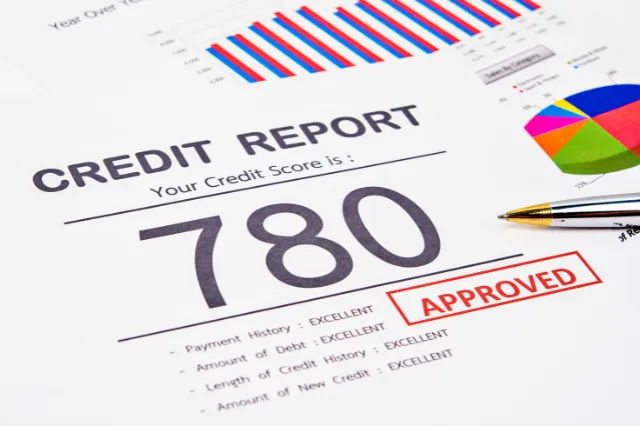
Checking your credit report can help you understand what lenders see, including the credit score impact that may apply in some assessments. In Australia, you can request a free copy of your credit report from Equifax, Experian and illion. As a general rule, you can access a free report at least once every three months from each credit reporting body, and in some situations, you may be able to access it sooner.
Being aware of your credit file allows you to address issues early and avoid surprises during assessment.
Market Conditions and Why Credit History Is Under Closer Review
Higher interest rates and cost-of-living pressures have led lenders to reassess risk more carefully. This has increased focus on:
- Spending patterns
- Buffers above minimum repayments
- Consistency and predictability
For borrowers with no credit history, this environment means preparation and clarity matter more than ever.
A Realistic Perspective on “Fast” Credit Building
While there are steps that may help strengthen a borrower profile, there is no guaranteed or instant solution. Building trust with lenders is typically a process. Understanding this can help set realistic expectations and reduce stress.
What This Means for First Home Buyers and New Borrowers
Many first home buyers have limited credit history simply because they have never needed credit before. This is common and manageable with planning.
Government resources, such as schemes administered by Housing Australia, provide information on eligibility, although participation does not remove lender assessment requirements.
Bringing It All Together With Clarity and Preparation
Home loans with little or no credit history require a slightly different approach. Lenders may look beyond income alone and assess the full picture, including savings behaviour, expenses, employment stability, and emerging credit patterns.
Understanding how these factors interact can help when preparing for a home loan application, allowing you to make more informed decisions before applying.
A Supportive Next Step
If you would like to understand how lenders may view your current credit position and what steps could help strengthen your borrower profile, our brokers at Unconditional Finance can help you compare lender policies and guide you through the next steps, based on current Australian lending rules.
Disclaimer: This information is general in nature and does not consider your personal objectives, financial situation, or needs. Lending criteria, policies, and product features vary between lenders and may change without notice. You should consider seeking independent financial or legal advice before making any financial decisions.
Frequently Asked Questions (FAQs)
Yes, some lenders may still consider a home loan application even if you have never had a credit card. In these cases, lenders usually place more weight on income stability, savings history, and living expense patterns. Assessment outcomes can vary depending on the lender’s policy and your overall financial profile.
Paying rent on time does not usually appear on your credit report, but it can still be relevant. Some lenders may review rental payment history through bank statements as part of their broader assessment. This does not replace credit history, but it may help demonstrate consistent financial commitments, depending on the lender.
Buy now, pay later can be assessed differently by lenders. Some lenders may treat BNPL limits or ongoing accounts as liabilities, and missed payments could negatively affect an application. Since regulatory changes took effect from 10 June 2025, some BNPL providers may also make checks or report information in ways that can influence what lenders see. How this affects borrowing can vary by lender and by the specific BNPL provider.
Overseas credit history does not automatically transfer to Australian credit reports. Some lenders may consider alternative documentation or take a more flexible view for new migrants, depending on circumstances. However, most lenders still rely primarily on Australian credit data when assessing applications.
Speaking with a mortgage broker early may help you understand how lenders typically assess thin credit files before you take on new credit. A broker can explain general policy differences and common pitfalls, so any steps you take align with current lending expectations. This does not guarantee an outcome, but it may help you avoid unnecessary risks.