
Finding out that your partner has bad credit can be confronting, especially if you are planning to buy a home together. In today’s Australian lending environment, many couples come to us worried that one credit issue could stop the entire plan. With higher interest rates, tighter serviceability buffers, and more detailed credit checks, it is understandable to feel uncertain before you even apply.
The good news is that a home loan is not automatically ruled out just because your partner has bad credit. However, it can change how lenders assess your application and how the loan may need to be structured. The outcome depends on several factors, including whose name the loan is in, how income and expenses are assessed, how the property is owned, and how each lender’s policy treats credit risk.
In this guide, we explain how you may still get a home loan if your partner has bad credit, how Australian lenders typically assess these situations, and the structuring options that may be considered. We also explain why reviewing these scenarios with a mortgage broker in Sydney can help clarify why some applications are approved while others are declined, even when the borrowing partner has a clean credit file.
What Australian Lenders Usually Mean by “Bad Credit”
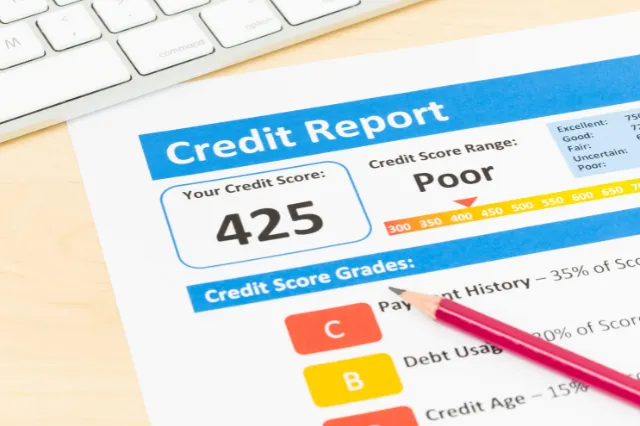
Before looking at structuring options, it helps to understand what lenders typically mean by bad credit on a credit report and within your credit history. In Australia, credit reports usually include information such as repayment history, defaults, court judgments, bankruptcies, and credit enquiries.
From a lender’s point of view, bad credit is rarely defined by one simple label. Instead, lenders usually look at:
- The type of credit issue, such as late payments, defaults, or legal listings
- Whether the debt is paid or unpaid
- How recent the issue is
- How often issues have occurred over time
For example, a single late payment from several years ago is usually viewed very differently to multiple recent defaults. Some lenders may be more flexible with minor or older issues, while others take a stricter approach.
It is also important to understand that each person has their own credit file. Even in a long-term relationship, lenders still assess credit histories individually. This is why structuring becomes so important when one partner’s credit profile is weaker than the other’s.
How Joint Home Loan Applications Are Assessed When Credit Is Uneven
When you apply for a home loan together, most lenders assess the application as a combined household risk. This means they usually review:
- Both applicants’ credit reports
- Combined income
- Combined liabilities
- Household living expenses
If one partner has bad credit, this can affect how the lender views the overall application. Some lenders may still approve a joint loan, depending on the severity and age of the credit issues. Others may decline the application outright if their policy does not allow for certain types of adverse credit.
From our experience as Sydney mortgage brokers, this is often where borrowers are surprised. Even if one partner earns a high income and has an excellent credit history, a joint application links both credit profiles together. The lender is not just assessing whether you can afford the loan today, but whether the household risk aligns with their credit policy over the long term.
This is why applying jointly “just to see what happens” can sometimes lead to avoidable declines and additional credit enquiries on your credit file, depending on how and where you apply.
Applying in One Name Only: When This Structure May Be Considered
One of the most common structuring options when a partner has bad credit is applying for the home loan in one name only. In this structure, only one partner is the borrower, even if both partners are contributing financially to the household.
Some lenders may consider this option depending on the borrower’s circumstances. However, it is not as simple as excluding the partner with bad credit and moving on.
When assessing a single-applicant loan, lenders usually focus on whether the borrowing partner can service the loan on their own. This means the lender may assess:
- The borrower’s income alone
- All household living expenses
- Any shared liabilities, such as joint credit cards or personal loans
Even if your partner is not on the loan, many lenders still factor in the cost of supporting the household. This is particularly relevant for couples who live together, regardless of marital status.
From a broker’s perspective, the key risk with this structure is serviceability. The borrowing partner must be able to meet the lender’s affordability requirements without relying on the other partner’s income.
Property Ownership and Title When Only One Partner Borrows
Another layer of complexity is how the property is owned when only one partner is on the loan. Lender policies vary in this area.
Some lenders may allow:
- One borrower on the loan
- One or two names on the property title
Other lenders require that all property owners are also borrowers on the loan.
Ownership decisions can have legal and family law implications that sit outside the lender’s assessment, so it may be sensible to seek independent legal advice before finalising the ownership structure.
From a lending point of view, the main consideration is risk. If someone owns part of the property but is not responsible for the loan, the lender may see this as higher risk, depending on their policy.
Why Household Expenses Still Matter Even If Credit Is Separated
A common misunderstanding is that if your partner is not on the loan, their financial position no longer matters. In practice, this is rarely true.
Australian lenders typically assess living expenses carefully as part of their affordability checks. If you live together, many lenders will usually assess household costs at a combined level. This can include rent, utilities, groceries, childcare, and other ongoing expenses.
Even when a loan is in one name, lenders often assess household expenses at the couple or family level. This means your partner’s spending habits, even without credit issues, can still affect borrowing capacity.
This is one of the reasons why some single-applicant loans are declined, even when the borrower’s income and credit history are strong.
Using a Guarantor Instead of Adding a Partner to the Loan

In some cases, borrowers consider a guarantor home loan (sometimes called a family guarantee) rather than applying jointly with a partner who has bad credit. A guarantor is usually a close family member who offers part of their property as additional security.
Some lenders may consider guarantor structures depending on the borrower’s circumstances and the guarantor’s financial position. However, a guarantor does not replace the need for the borrower to meet serviceability requirements.
Importantly, a guarantor usually does not “offset” bad credit in the way some borrowers expect, and the lender will still assess affordability and risk. If the borrower applying for the loan has bad credit themselves, the presence of a guarantor may not change the outcome.
When the bad credit sits with a non-borrowing partner, a guarantor structure may sometimes allow the borrowing partner to avoid applying jointly. However, lender policies in this area are strict, and guarantors take on significant risk.
Why Some Lenders Decline Even When the Borrower Has Clean Credit
One of the more frustrating scenarios we see is when the borrowing partner has clean credit, stable income, and a reasonable deposit, yet the home loan is declined due to the household structure.
Some common reasons include:
- Shared debts, even if the partner is not on the loan
- Financial links, such as joint accounts or guarantees
- High household expenses relative to income
- Unclear explanations around how finances are managed
From a lender’s point of view, clarity matters. If the structure appears complex or unclear, lenders may take a conservative approach and decline the application rather than request extensive clarification.
This is where careful preparation and clear structuring can make a meaningful difference.
Relationship Status and How Lenders View Financial Interdependence
Lenders do not assess relationships in emotional terms, but relationship status can affect how finances are assessed.
For example, married or de facto couples are usually assessed as financially interdependent households. This means lenders are more likely to assess shared expenses and financial commitments, even if only one person applies for the loan.
For couples who are not living together, some lenders may assess finances separately. However, this depends on the lender’s policy and the evidence provided.
It is important to be accurate and honest when disclosing relationships and living arrangements. Inaccurate disclosures can lead to declines or issues later in the process.
What Lenders Usually Look for in These Applications
Across the Australian market, lenders typically want to see:
- Stable and verifiable income
- Clear explanations of the proposed loan structure
- Evidence of genuine savings, depending on the product
- A clean credit history for the borrowing applicant
- Transparent disclosure of household expenses and liabilities
Policies and documentation requirements can vary between lenders and may change without notice. This is why up-to-date policy knowledge is critical when structuring applications involving uneven credit profiles.
Common Structuring Mistakes That Cause Avoidable Declines
From our experience, some of the most common mistakes include:
- Applying jointly without reviewing credit reports first
- Assuming one partner’s high income will “balance out” bad credit
- Hiding or downplaying shared debts
- Applying with multiple lenders without a clear strategy
Each declined application can affect your credit file. Taking time to structure the application correctly before applying can reduce unnecessary risk.
The Broker’s Role in Navigating Credit and Structure
A mortgage broker does not change lender rules, but we help interpret them. Our role is to:
- Understand how different lenders assess credit and household risk
- Compare policies across multiple lenders
- Identify structures that align with current lending criteria
- Help present applications clearly and accurately
This is particularly important when credit histories are uneven. What works with one lender may not work with another, even when the numbers look similar.
Setting Realistic Expectations Before You Apply
It is important to approach these situations with realistic expectations. Approval is never guaranteed, and finance approval can differ between lenders even when the structure looks similar.
In some cases, the most practical option may be to delay applying until credit issues have aged or been resolved. In others, restructuring finances or reducing liabilities may improve outcomes over time.
Understanding how lenders think allows you to make informed decisions, rather than rushing into an application that may not be suitable.
A Supportive Next Step
If you are wondering whether you can get a home loan when your partner has bad credit, the answer is often “it depends”. The right structure depends on lender policy, income, expenses, and how finances are managed as a household.
If you would like to understand what options may be available for your situation, our brokers at Unconditional Finance can help you compare current lender policies and explain how different structures are typically assessed.
Disclaimer: This information is general in nature and does not take into account your objectives, financial situation or needs. Lending criteria, fees and product features can change without notice. Consider getting independent financial and legal advice and speak with a licensed credit representative before making decisions.
Frequently Asked Questions (FAQs)
Usually, a lender assesses pricing based on the borrower on the loan, not a non-borrowing partner. However, some lenders may still consider overall household risk, including shared expenses or financial links. Interest rate outcomes can vary depending on the lender’s credit policy and the final loan structure.
In some cases, yes. If you share joint debts, guarantees, or financial accounts, lenders may identify financial links during assessment. This does not automatically mean a decline, but it may prompt additional questions or documentation, depending on the lender.
Yes, lenders usually distinguish between paid and unpaid credit issues. Paid defaults or older listings are often viewed more favourably than unpaid or recent ones. How much weight a lender places on this can vary by policy and the overall application strength.
Some lenders may allow borrowers to add a partner to a loan in the future, but this usually requires a full reassessment at that time. The lender will typically review updated credit reports, income, expenses, and serviceability. Approval is not automatic and depends on the lender’s criteria at that point.
In some situations, waiting may provide more options or reduce complexity, especially if credit issues are recent. In other cases, alternative structures may be considered sooner, depending on income, expenses, and lender policy. A broker at Unconditional Finance can help explain these trade-offs by comparing how different lenders assess timing and risk.