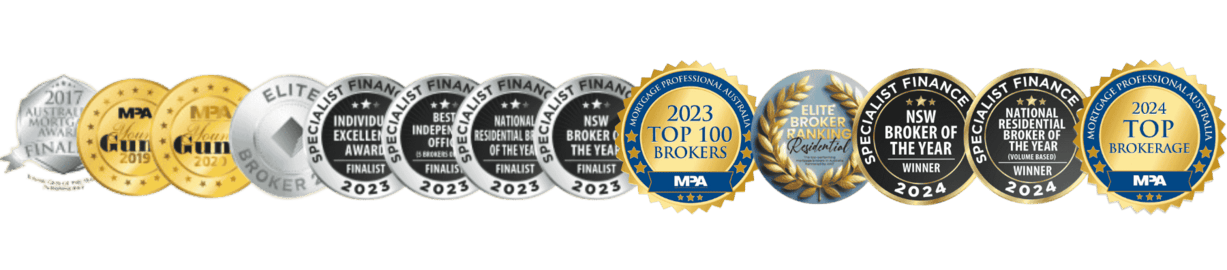
We help self-employed business owners find the best loan amounts, interest rates, and repayment structures. If you’re a small business owner or running your own business, let us guide you toward the right home loan specialist to fast-track your homeownership journey.
Read More
Applying for Self-Employed Loans
Self-employed home loans are designed for business owners, sole traders, and freelancers who may not have the traditional income structure of salaried employees. These loans consider the unique financial circumstances of self-employed individuals.
Unlike conventional loans, self-employed home loans often require alternative forms of income verification even without standard pay stubs or salary slips. This includes bank or business activity statements demonstrating cash flow and financial stability.
At Unconditional Finance, our Sydney mortgage brokers specialise in helping self-employed borrowers access a variety of loan options. These include low-doc, fixed-rate, and business owners’ home loans. When assessing your borrowing capacity, lenders consider critical factors such as your financial statements, tax returns, and cash flow. While additional financial documents may be required, many self-employed business owners can successfully secure home loans with the right preparation.
Our team is here to guide you through the process, ensuring you meet the necessary criteria and maximise your chances of approval. Call us at 1300 484 390 or enquire online to explore your best home loan options today.
Qualifying for a Mortgage: Eligibility Criteria
To qualify for an eligible home loan, you generally need to meet the following criteria:
- Minimum Time in Business: At least two years of self-employment history.
- Consistent Income: Steady and reliable income that can be verified.
- Good Credit Score: A solid credit history showing responsible borrowing.
- Necessary Documentation: Ability to provide detailed financial documents.
Mortgage lenders consider several key factors when evaluating self-employed applicants:
- Stable Income: A consistent income history over the past two years.
- Creditworthiness: A good credit score that demonstrates reliable debt repayment.
- Financial Stability: A low debt-to-income ratio indicates manageable debt levels.
- Comprehensive Documentation: Complete and accurate financial records.
For insights on what lenders look for in self-employed applicants, our team is ready to assist you. Get in touch for personalised guidance.
What Home Loan Documents Do You Need to Provide?
When applying for a self-employed home loan, you will typically need to provide the following documents:
- Tax Returns: Submit your personal and business tax returns from the last two years.
- Profit and Loss Statements: Detailed statements showing business income and expenses.
- Bank Statements: Provide recent bank statements for both personal and business accounts.
- Business License: Proof of business registration or license.
- Ownership Proof: Documentation verifying your ownership of the business.
When you’re ready to apply, we’ll help you gather and prepare all the necessary documents for a smooth process. Connect with us today.
What do lenders check on self-employed tax returns?
Lenders meticulously examine their tax returns to gauge financial health. After accounting for business expenses, this involves assessing the total income, including gross and net earnings. Lenders are particularly interested in understanding the actual income available for loan repayments. Expense claims are also closely analysed, as they can significantly affect the net income, influencing the borrower’s ability to manage loan repayments effectively.
Another critical factor is income consistency. They look for stability and trends in earnings over the years, which assures that the borrower’s income is reliable and sufficient to meet loan obligations.
Finally, lenders focus on the net profit and residual income after deducting all expenses. A robust net profit indicates financial stability and is pivotal in determining the borrower’s eligibility for a self-employed home loan.
Income Considerations
Lenders assess self-employed home loan applications, focusing more on consistent income, financial stability, and accurate documentation. Instead of relying on a fixed salary, they calculate self-employment income by averaging the net income from your tax returns over the past two years.
Some business expenses may be added back to your net income. However, not all self-employed income qualifies. Lenders prioritise net earnings after expenses, so maintaining clear financial statements and minimising unnecessary deductions can help strengthen your application.
For those with less than two years of self-employment, securing a home loan is still possible if you have a strong income history and a solid credit score. Some lenders, especially non-bank lenders, may assess your application case-by-case. Factors considered may include prior industry experience and cash flow stability.
Separating business and personal expenses is also essential in making your financial documents more transparent and more manageable for lenders to assess. Keeping distinct records allows lenders to evaluate your true financial health. This increases your chances of securing a home loan approval with favourable interest rates and loan terms.
Application Process
Securing a home loan as a self-employed borrower involves multiple steps, but the process can be smooth and efficient with the right preparation.
The first step is choosing the right lender, preferably one with experience in self-employed home loans and flexible lending criteria. Once you’ve selected a mortgage broker or financial institution, it is crucial to gather all necessary financial documents, such as bank statements, business activity statements, and tax returns, for a seamless home loan application.
After submitting your application, lenders will review your credit history, income consistency, and loan repayment capability. Underwriting may require additional documentation, especially if you’re applying for a low-doc home loan or using business owners’ home loans. Once approved, the final step is loan settlement.
Preparation is key to securing the best loan options. Keeping financial commitments in check, improving credit scores, and saving a larger deposit can improve approval chances and potentially secure waived lenders’ mortgage insurance (LMI) or lower interest rates.
Our home loan specialists guide self-employed business owners through each step, ensuring a hassle-free experience. Contact us today to explore your eligibility criteria and find the right self-employed home loan for your needs.
What do you need to apply for a mortgage as self-employed?
Having all the right documents can make your application process smoother. Here’s what you’ll need:
- Tax Returns: Personal and business returns for the last two years.
- Profit and Loss Statements: Records showing income and expenses.
- Bank Statements: Recent personal and business account statements.
- Business License: Proof of business registration.
- Credit Report: Your credit history.
If you need a comprehensive document checklist, we’re here to help. Contact us to get started.
Loan Options and Rates
Self-employed individuals in Sydney have a variety of loan options to choose from:
- Personal Loans: Borrow a set amount for personal expenses.
- Business Credit Cards: Use credit cards specifically for business expenses.
- Bank Statement Loans: Use bank statements instead of tax returns to verify income.
- Business Loans: Borrow money specifically for business needs.
- Conventional Mortgages: Standard home loans requiring good credit and steady income.
- Low-Doc Home Loans: Easier qualification with minimal documentation.
- Cash Advances: Short-term loans based on future sales or earnings.
- Online Loans: Quick, accessible loans available through online lenders.
- Lines of Credit: Flexible borrowing where you draw funds as needed up to a limit.
Some lenders offer customised programmes to meet the unique needs of self-employed borrowers.
Low and No Document Home Loans
These loans require minimal paperwork, and bank statements are used instead of tax returns to check income. They’re great for those with complex financial situations.
Interested in low-doc home loans? Learn more about how they work and if they’re right for you by reaching out to us today.
Home Loans for Self-Employed Under 2 Years
If self-employed for less than two years, you may still qualify by showing a strong income history and good credit. Some lenders consider individual cases based on overall financial health.
Choosing a Mortgage Provider
When selecting a mortgage provider in Sydney, consider the following factors:
- Compare Rates and Fees: Look at different interest rates and fees to find the best deal.
- Customer Service: Look for lenders who offer responsive and helpful customer support.
- Reputation: Research reviews and ratings to gauge the lender’s reliability and trustworthiness.
- Experience with Self-Employed Borrowers: Choose lenders with experience and success in working with self-employed clients.
- Flexibility: Check if the lender offers flexible terms and conditions that cater to self-employed individuals.
Take the time to compare multiple lenders. Look for those who offer competitive rates and understand the unique challenges of self-employment. Visiting local banks and credit unions and using online mortgage comparison tools can help you find the best options.
Self-Employed Mortgage Requirements
To qualify for a self-employed home loan in Sydney, you generally need:
- A stable income history over the past two years.
- A good credit score indicates responsible borrowing.
- Detailed financial records, including tax returns and profit and loss statements.
- A reasonable debt-to-income ratio shows manageable debt levels.
Understand the requirements and how to meet them with the help of our experts. Reach out to us for detailed information.
Can you get a joint mortgage if one person is self-employed?
Yes, you can. For a joint mortgage, the lender checks both applicants’ incomes, credit scores, and financial histories. If the employed partner has a stable income, it can boost your application.
Exploring joint mortgage options when one partner is self-employed? Our team can help you navigate the process. Contact us to find out more.
Read Less